Who am I? And why am I writing this article?
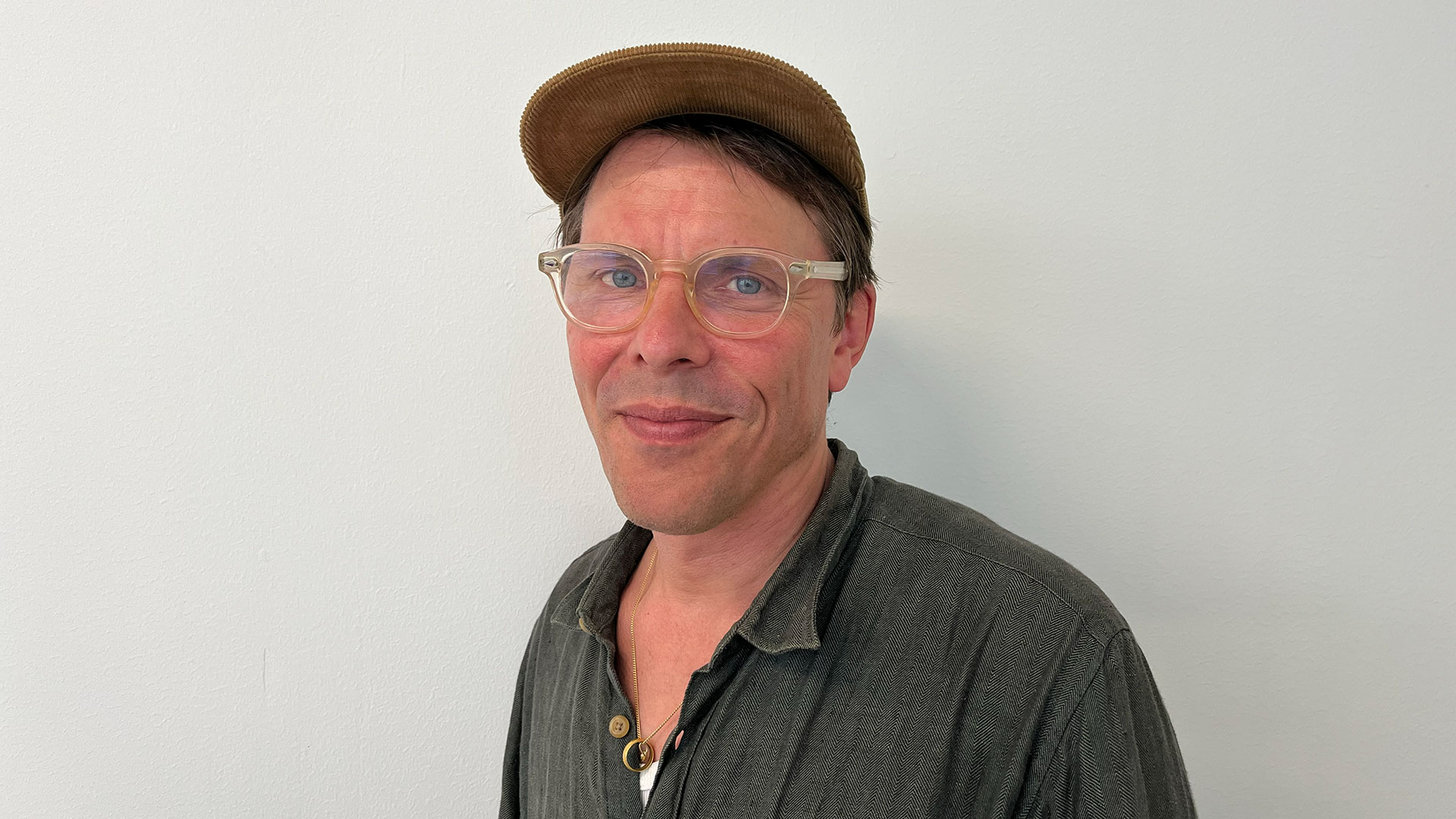
I’m Poem Johnson, an award-winning artist, filmmaker, and educator. I hold a Master of Fine Arts, a Master of Architecture, and a PhD in Fine Arts. Over the past 20 years, I’ve exhibited internationally, won awards, and had work acquired by museum collections. In the last six years alone, I’ve secured over $325,000 in grants such as fellowships and production funding across multiple disciplines. (Learn more at https://poemjohnson.com/.)
I’ve also taught cultural entrepreneurship at several Universities, and I’ve noticed the same pain points come up over and over:
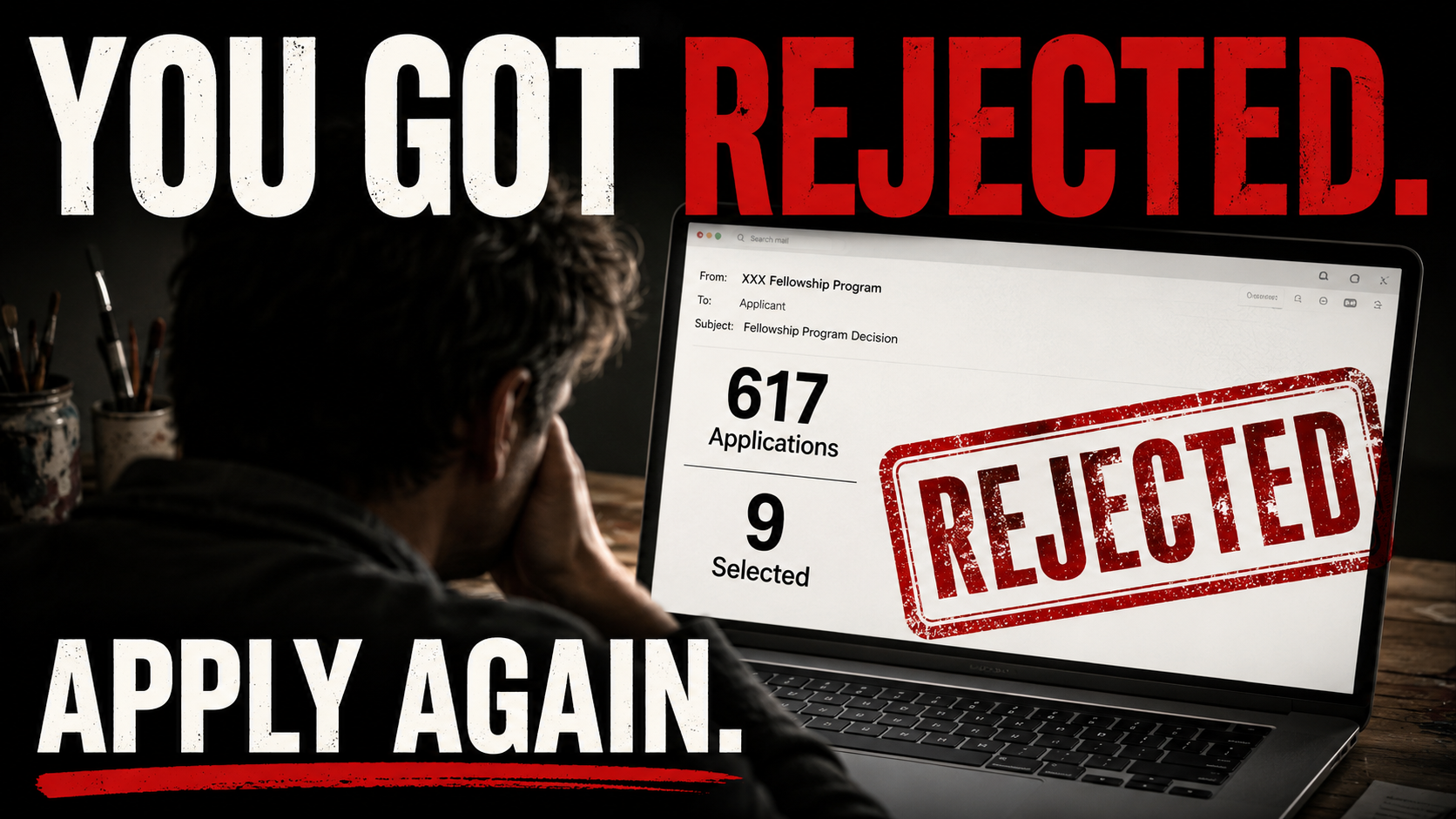
“I always get rejected.”
“I don’t want to spend 90% of my time writing grants and 10% making art.
I want the reverse.”Anonymous visual artist
The irony is that knowing how to write a successful grant proposal actually solves this. But many artists have no idea where to start, and reaching for ChatGPT or Claude as a first move won’t help you. It might even backfire. I wrote this series because any artist making art is a blessing and a movement away from State-war machines. (And no, this essay is not political.)

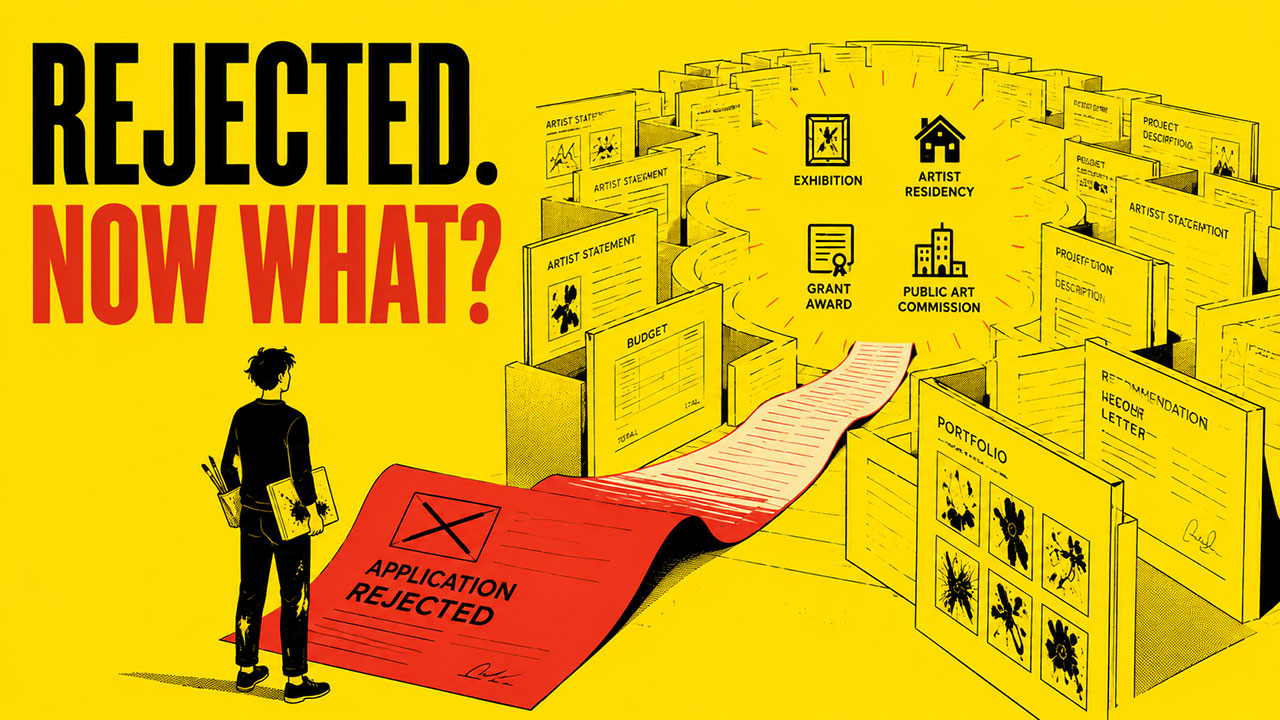
The real reason grants get rejected
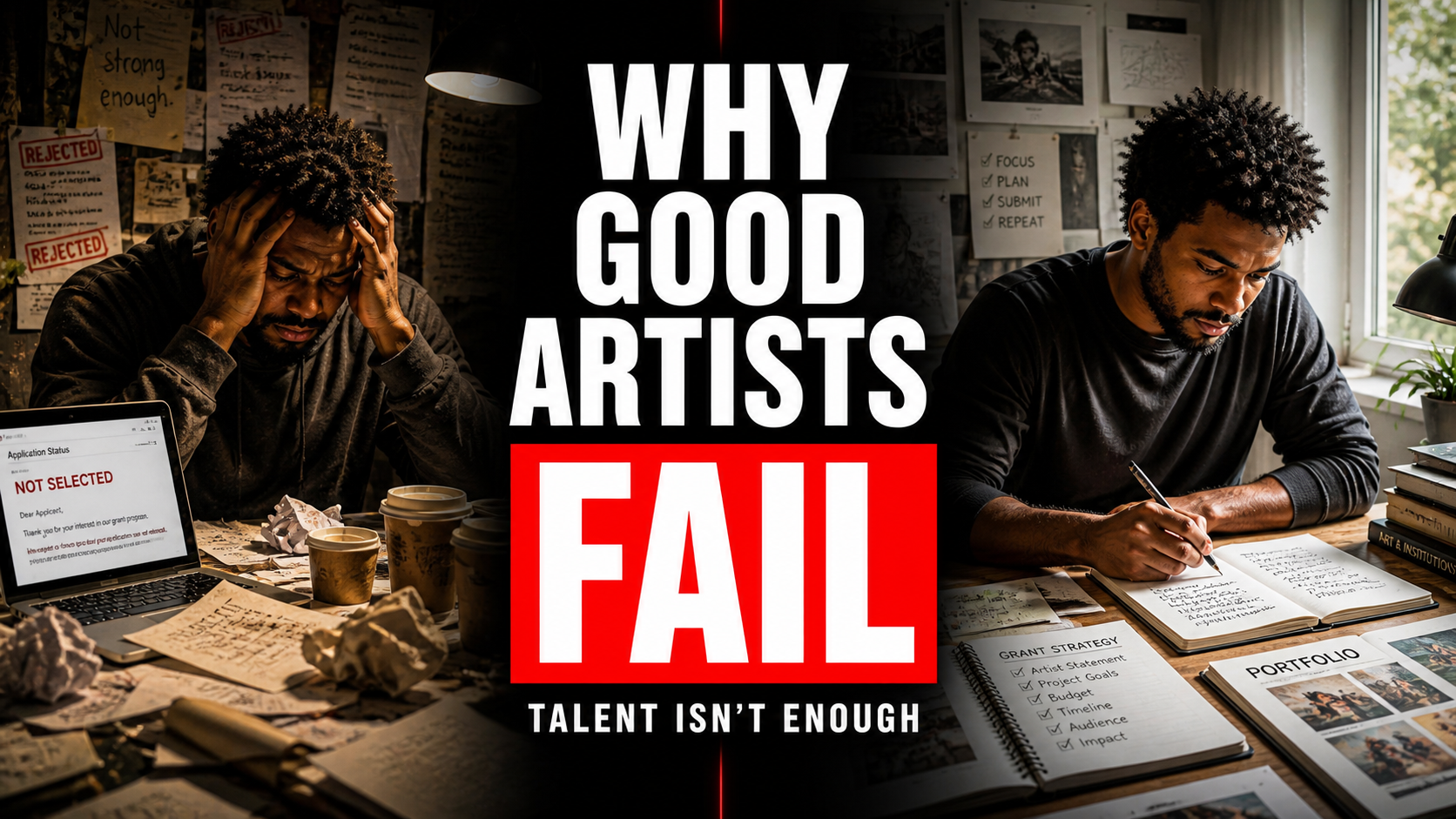
It is rarely the work. Most artists applying for grants are serious, talented, and committed. The problem is almost never what they are making. It is how they present it, and whether they have built the infrastructure to present it well.
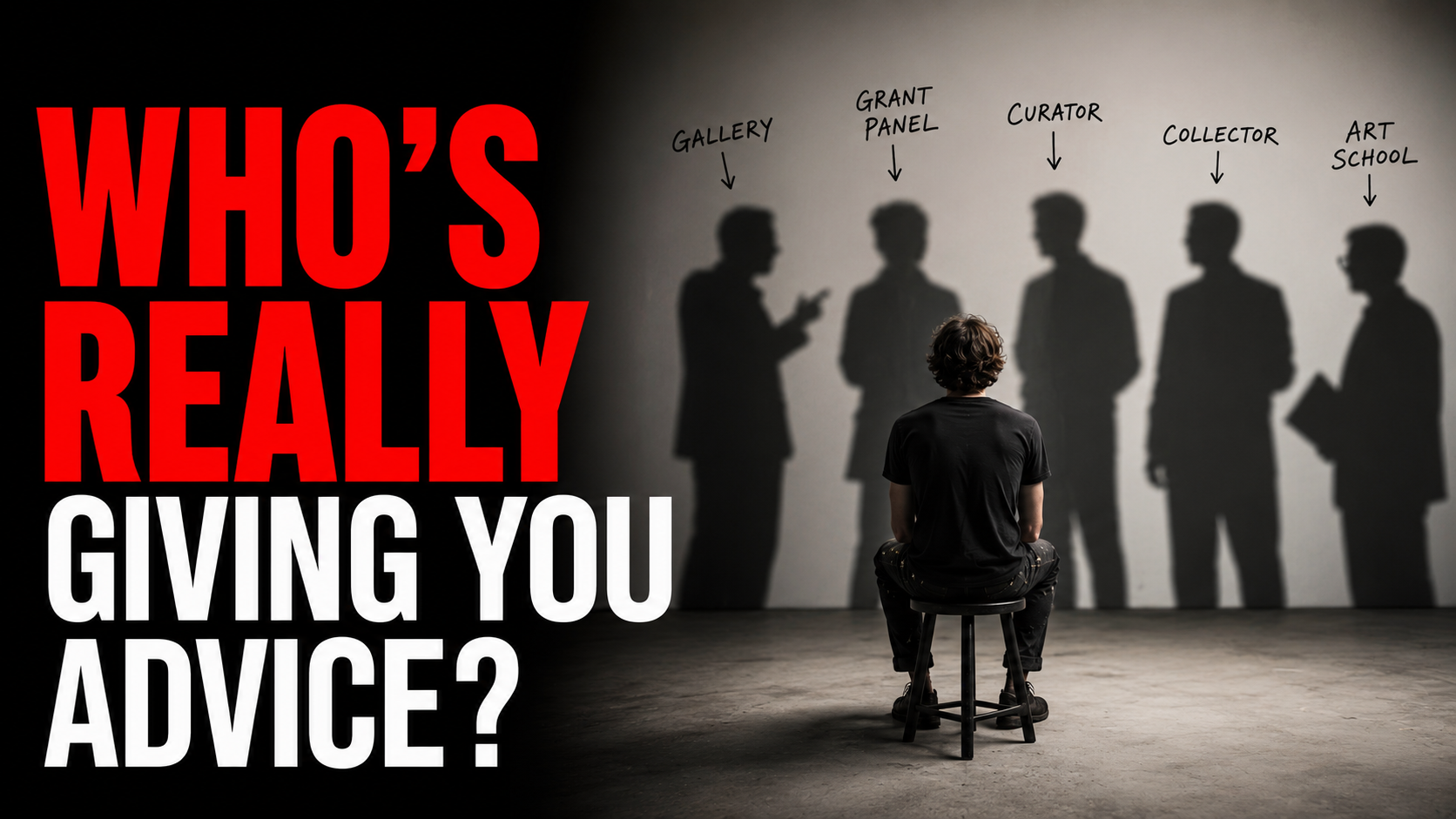
Grant panels are not just evaluating a project. They are evaluating an artist. They want to see someone who understands what they are doing, why it matters, and that they have the discipline and professionalism to carry it through. That evaluation happens before they read a single word of your proposal. It happens the moment they look at your portfolio, your CV, and your artist statement.
If those materials are not ready, the proposal does not get a fair chance.

The system that changes this
Over twenty years of applying, winning, and teaching others to do the same, I have found that grant success is not a matter of talent or luck. It is a matter of having a system. The work does not change. The system does.
Your portfolio. Not a collection of everything you have ever made. A curated, coherent argument for who you are as an artist and where your practice is going. Most artist portfolios work against them without the artist knowing it.
Your CV. Not a list of everything you have done. A document that reads with authority and clarity, that a panel can scan in thirty seconds and understand your trajectory. A weak CV signals a weak practice even when the practice is strong.
Your writing. Your artist statement, your bio, your project description. This is where most artists lose the grant before the panel even reaches the budget. The writing has to sound like you, think clearly, and make the reader feel the urgency of what you are making.
Your mindset. Rejection is part of this work. Every serious artist applying for grants gets rejected regularly. The artists who succeed long term are not the ones who avoid rejection. They are the ones who understand what they can control, keep applying, and do not let the outcome of one panel define their practice.
Where to start?
Each of these four areas has its own article in this series. They stand alone. You can read them in any order depending on where your most urgent need is.
If your portfolio feels unfocused, start there.
If your CV feels thin or unclear, start there.
If you are sitting in front of a blank page every time you need to write about your work, start with the writing.
If rejection is making you want to stop, start with the mindset piece.
And if you are ready to apply right now and want to know where to look, I have built a curated list of grants above $10K, covering fellowships, production funding, and residencies across disciplines. That list is here too.
You do not need to figure this out alone. You need a system. And you need to keep making the work.
Bless you.