
Grant Applications

AI for Grant Writing: A Guide for Visual Artists
Artificial intelligence is changing how artists write grant applications, but the obvious shortcut often backfires. Discover how to use AI for research, editing, and strategy while keeping the one thing reviewers actually care about: your voice.
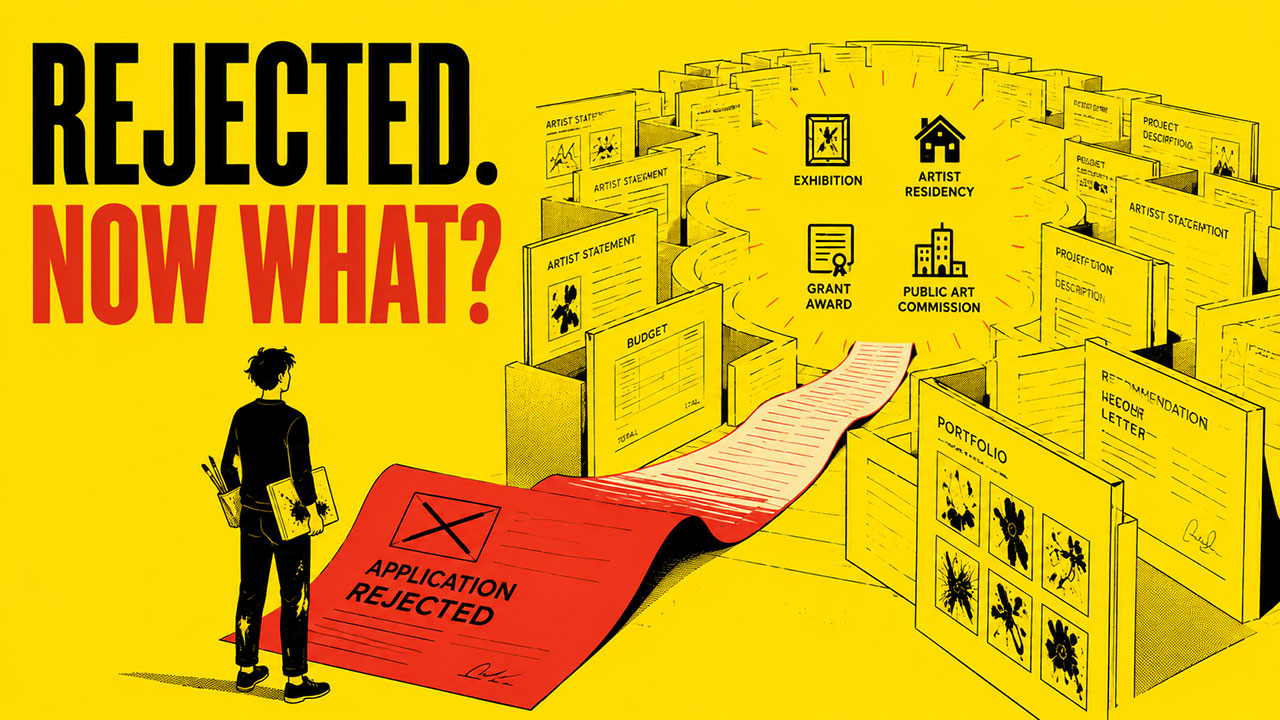

What To Do After a Grant Rejection?
What if the rejection was not the problem? The real question is what you do with it next.
Why Good Artists Keep Getting Rejected From Grants?
The people deciding whether to fund your project are not meeting the real you. They are meeting a project description, a budget, an artist statement, and a selection of images. Your application is a stand-in for your practice. If it fails to communicate the work clearly, even a strong project can be rejected.
State Arts Councils in the US: The Complete Directory
A directory of every state arts council in the United States. Find your state agency, confirm eligibility, and apply for funding.
Stop using the wrong CV format. Instead use this one
Your curriculum vitae should make your achievements easy to find, not difficult to decipher. Download a free artist curriculum vitae template based on a professional gallery standard and learn how to present your exhibitions, education, publications, and awards clearly and professionally.
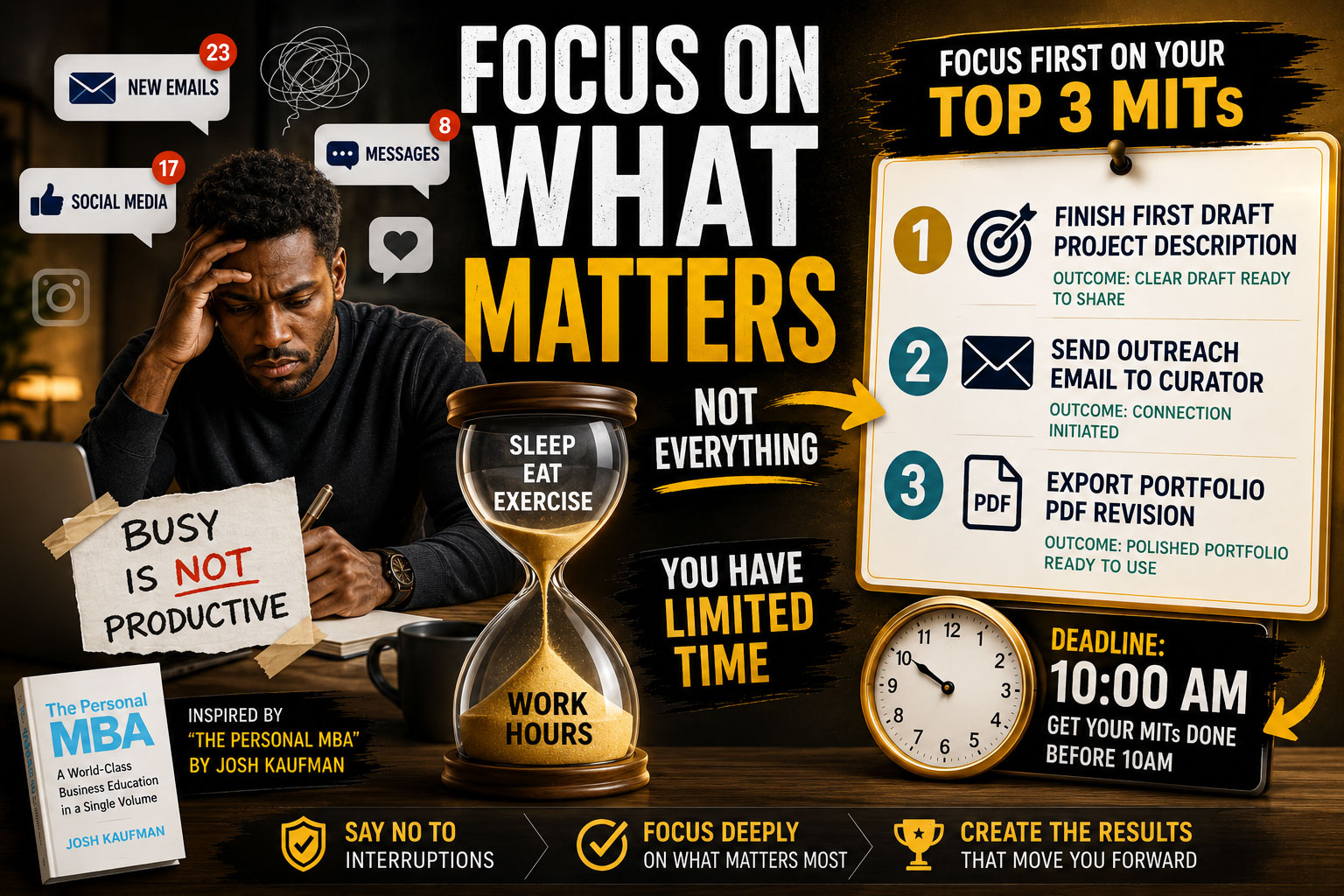

Get your Most Important Tasks (MITs) right
The struggle for time is real. After sleep, eating, and exercise, you have only a few hours for work. By identifying two or three Most Important Tasks each day and completing them before email and messages, you reclaim control of your time.

Your Research Process is Costing You Grants
Save time and protect your credibility. I give you the exact method, the exact prompts, and the exact verification steps to use AI research tools without embarrassing yourself in a grant application.
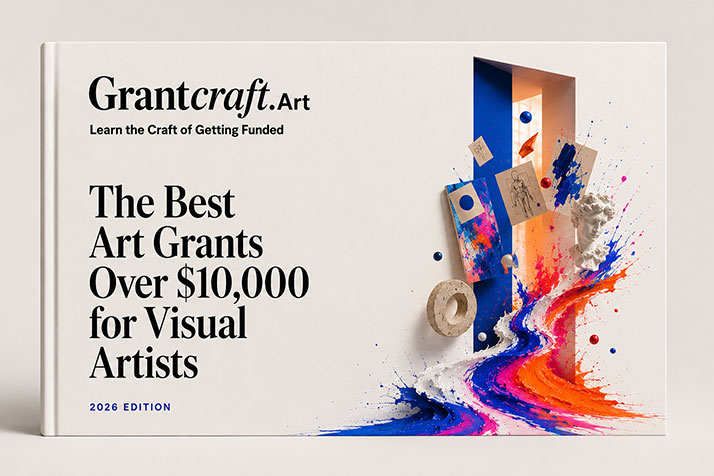

The Best Art Grants Over $10K for Visual Artists
Most artists are applying to the wrong grants. Here is a curated list of serious art grants over $10K worth your time.
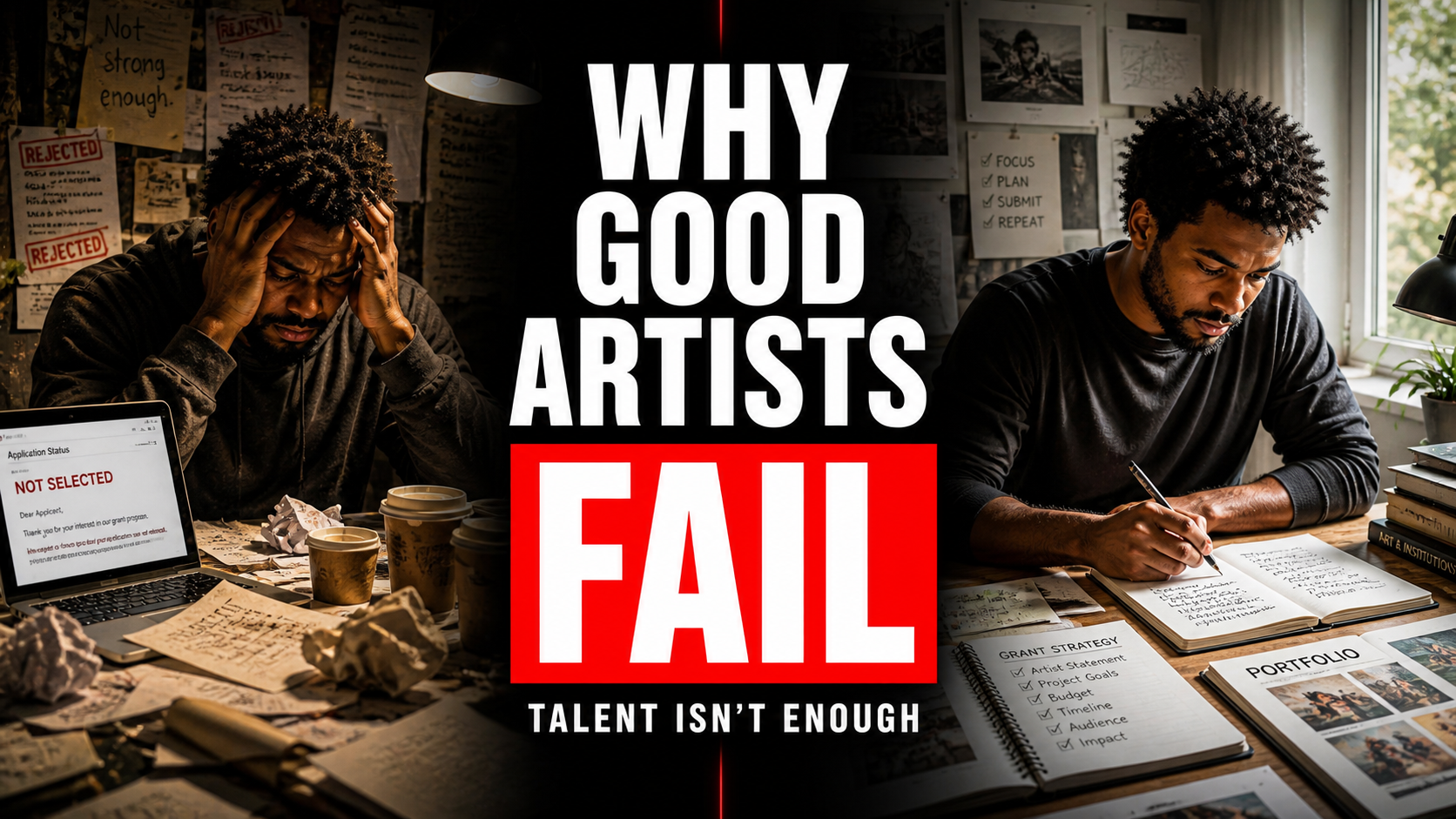
Why Your Art Grants Get Rejected?
Most art grants are not rejected because the work is bad. They get rejected because the portfolio, writing, and application system are weak.