Stop Trying to Control Everything


Do you know the concept of “Locus of Control”? No matter how much you want a relationship to work, you cannot prevent someone from leaving if they choose to. No matter how much you want a particular job, once the interview is over, you cannot control whether you get it. You have done what you could. No matter how closely you watch the stock market, you cannot will a company’s stock price to rise.

You don’t need a life overhaul. Three small practices, done consistently, can shift how you think and feel.

Understanding your locus of control means separating what you can control or strongly influence from what you cannot. Trying to control what lies outside your control is a recipe for permanent frustration.
The better you are able to separate what you can control from what you cannot, the more productive and at ease you become. Focus most of your energy on what you can influence and let the rest go. Keep your attention on what you are doing to build the life you want to live, and over time, results follow.

Well-being is a PRIORITY! Do you want to Feel Better? Try These 3 Simple Practices

You do not need a complete life overhaul to feel better. A few small, evidence-based practices can shift how you think, feel, and act.

1. Three Good Things

What to do: Each evening, write down three things that went well and why.
Why it works: It trains your attention to notice what is working instead of what is missing.
Evidence: Randomized controlled trials show increases in happiness and reductions in depressive symptoms lasting up to six months.

2. Gratitude Visit

What to do: Write a short letter thanking someone who has had a meaningful impact on your life, and if possible, read it to them.
Why it works: It strengthens social connection and creates a sense of meaning.
Evidence: Produces a strong short-term boost in well-being, with effects that can fade unless repeated.

3. Best Possible Self

What to do: Spend 10–15 minutes writing about your future life if things go as well as possible (Career, Work, Achievement, Relationships, Health, Skills, Financial stability, Daily routines).
Why it works: It clarifies direction and reinforces a sense of control over your actions.
Evidence: Randomized controlled trials show increases in optimism and overall well-being.

Disclaimer: These exercises are simple, but they are not one-off fixes. Their effects are typically moderate and tend to fade without repetition. When practiced consistently, even a few times per week, they are more likely to compound into meaningful changes in well-being. They are not a substitute for medical advice or professional support when needed. The mind can be a place of tension and conflict, and sometimes what helps most is simpler: talking to someone you trust, taking a moment to breathe, moving your body, or getting enough sleep (still underrated in a Netflix economy).



Explore more on these topics:


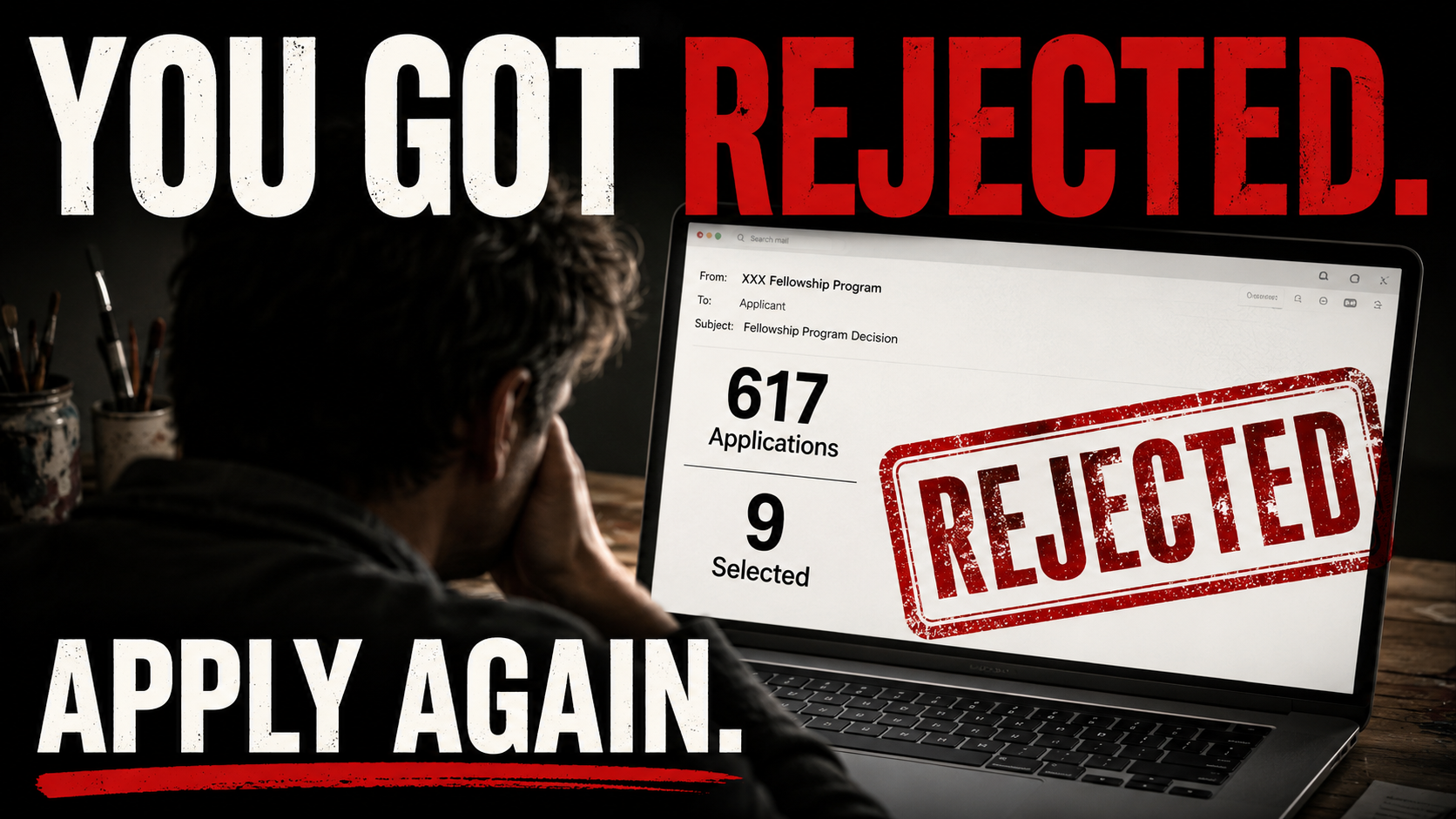
Art Grants What gets you funded


Mindset 💡Your art career starts in your head


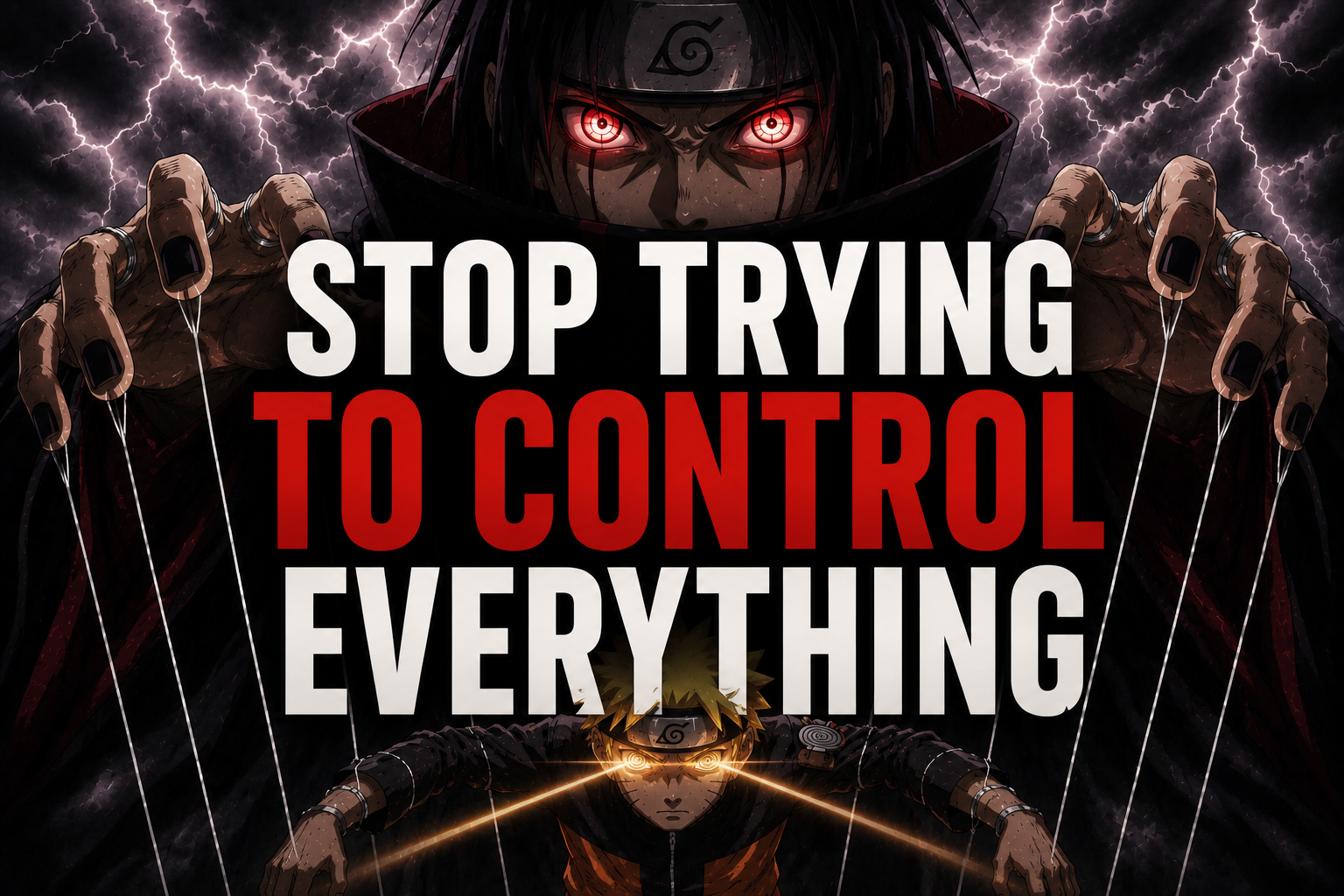
  • Stop Trying to Control Everything

    Stop Trying to Control Everything

    Most stress comes from trying to control things you were never able to control in the first place.

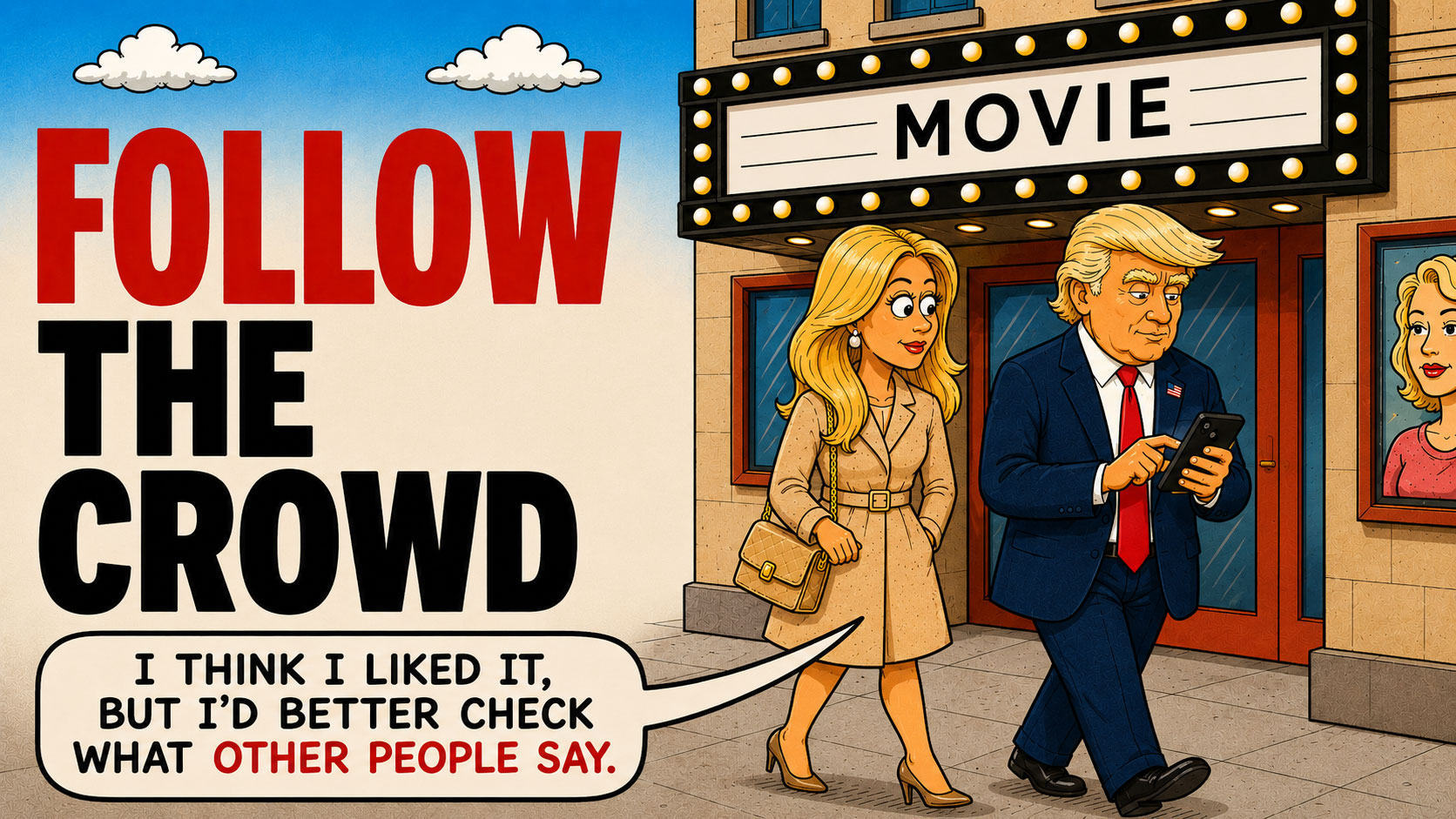
  • Social Proof: The Hidden Force Behind Your Decisions

    Social Proof: The Hidden Force Behind Your Decisions

    Why do people follow trends, trust viral content, and copy what others do? This article explains how social proof shapes everyday decisions — from social media and shopping to politics and the art world.

  • Reciprocity: The Debt You Never Agreed To

    Reciprocity: The Debt You Never Agreed To

    Most people underestimate how strongly the need to “return the favor” shapes their decisions. This article explores the hidden psychology of reciprocity, generosity, obligation, and manipulation.

  • Outsourcing Your Brain? Think for Yourself in the AI Age

    Outsourcing Your Brain? Think for Yourself in the AI Age

    What happens when people stop trusting their own perception and begin outsourcing judgment to Artificial Intelligence? From weather apps to ChatGPT, cognitive offloading is quietly reshaping memory, attention, and independent thought.

  • Your Brain on AI: What the Science Actually Shows

    Your Brain on AI: What the Science Actually Shows

    When the machine thinks, you think less. That’s not a moral failure. That’s just what happens. The tool doesn’t decide which version of you shows up. You do.

  • Winners Walk Away

    Winners Walk Away

    Grit is overrated. Strategic quitting is underrated. Most people stay trapped in bad projects, careers, and goals not because they are rationally valuable, but because sunk costs, identity, and fear make walking away feel like failure.

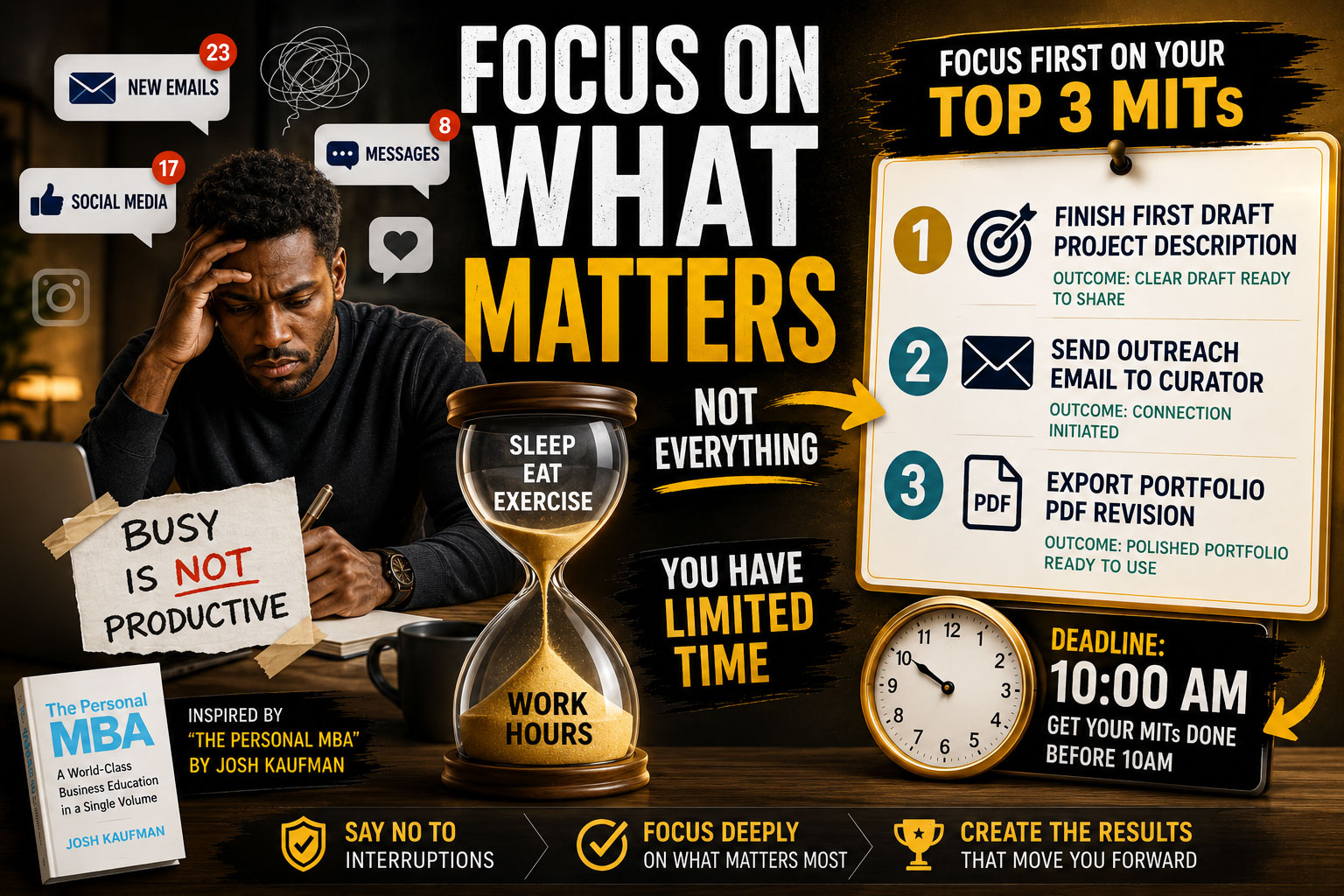
  • Get your Most Important Tasks (MITs) right

    Get your Most Important Tasks (MITs) right

    The struggle for time is real. After sleep, eating, and exercise, you have only a few hours for work. By identifying two or three Most Important Tasks each day and completing them before email and messages, you reclaim control of your time.

  • Conflict of Interest in the Art World

    Conflict of Interest in the Art World

    You don’t need to ask whether the person is good or bad. You ask what they’re rewarded for, and what they quietly lose if you say no. Incentives don’t just change what people do. They quietly shape the advice they think is honest.


Interview 🎤 Behind the scene


Comments

0
Poem Johnson Avatar

Pro tips: Ask questions, Request feedback, share works-in-progress

Leave a Reply

Your email address will not be published. Required fields are marked *